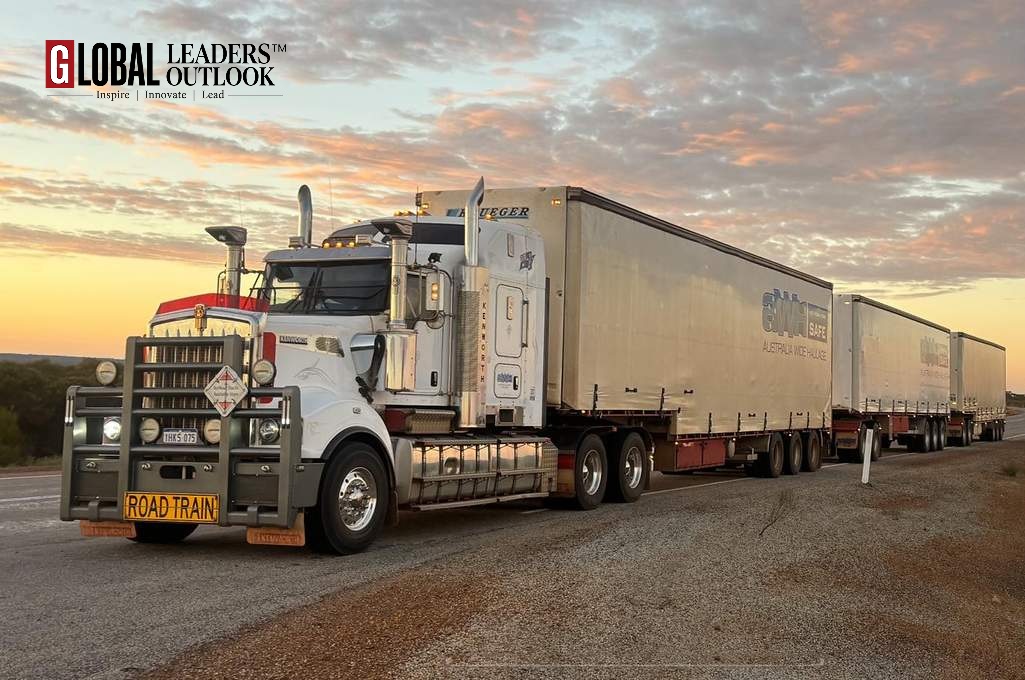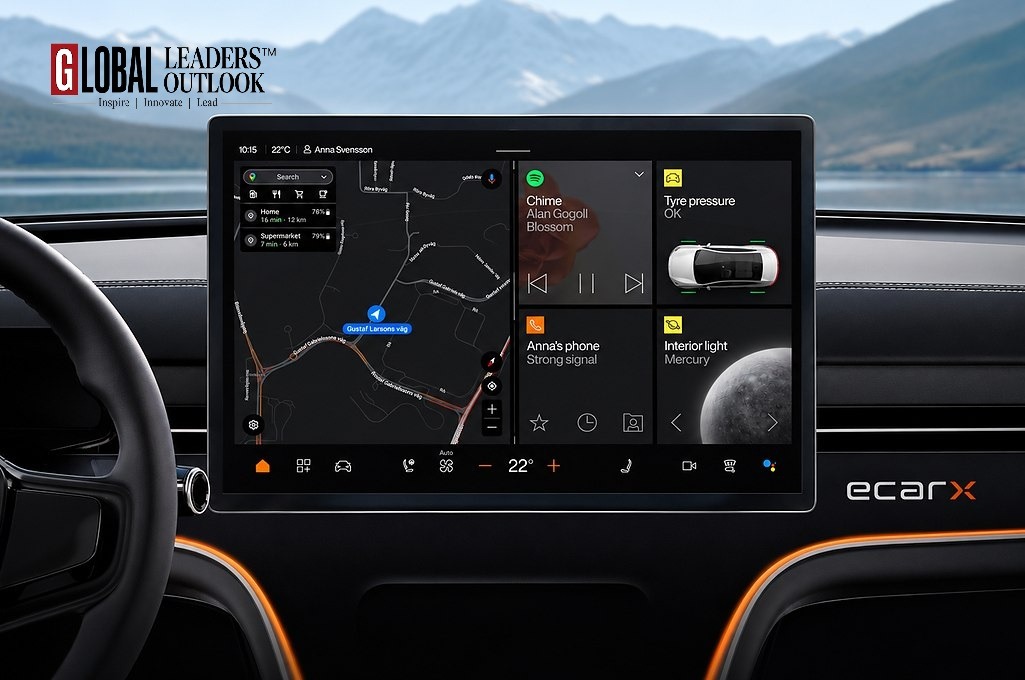

More than 90% of traffic from robots and connected vehicles is projected to travel over the uplink, challenging networks designed primarily for downloads.
Nokia (Nasdaq Helsinki: NOKIA; NYSE: NOK) published its Global Network Traffic Report on Wednesday. The report forecasts that AI will account for 44% of global network traffic in 2035, as the growth of autonomous agents, robots and connected machines changes how data moves across networks.
It projects total traffic will nearly quadruple from 2026 levels to almost 3,789 exabytes per month by 2035.
Agentic and physical AI traffic to multiply
The report projects agentic AI traffic will reach 160 times its 2026 level by 2035, and physical AI traffic 105 times. Both forecasts start from a small base.
Physical AI refers to AI-powered systems that interact with the physical world, including robots and autonomous vehicles. Agentic AI involves systems that can perform tasks and execute workflows with varying degrees of autonomy.
Connected machines to raise demand for upload capacity
Wider adoption of autonomous AI agents and connected machines will challenge networks built mainly for downloads, Nokia said. The workloads will require networks that handle everything from bulk uploads to continuous, real-time connections, it says.
Physical AI applications are projected to send more than 90% of their traffic over the uplink by 2035. The report projects uplink will account for 24% of total access traffic in cells with the highest AI usage. Traditional access networks were designed to carry far more downlink than uplink traffic, it said.
Pallavi Mahajan, Nokia’s chief technology and AI officer, said AI is changing what networks must provide, “not just how much traffic they carry.” She said network readiness should be central to AI planning.
AI processing to move toward the edge
The report projects most AI traffic will remain in the central cloud, while edge and metro core infrastructure will serve 36% of all AI-native traffic by 2035.
It expects more efficient models, low-latency requirements, and data sovereignty needs to move inferencing closer to users and devices. The resulting distributed infrastructure is known as the AI grid.
Report tracks fixed wireless on cellular networks
The report projects fixed wireless access (FWA) will generate more than one-third of consumer cellular traffic in 2035 as connections and usage grow. Nokia said this expands cellular networks’ role in home broadband alongside mobile services.
Forecast combines usage data, expert review and lab tests
The report covers 2026 through 2035. It uses a bottom-up model of consumer, enterprise and AI traffic, combining application usage, connected-device activity and agentic workflows with third-party research, expert review and Nokia lab testing.
Nokia’s previous report, which covered traffic through 2034, estimated that, under moderate estimates, about 70% of global wide-area network traffic would still come from non-AI sources. It projected a 23% compound annual growth rate for AI traffic.
Nokia says it publishes the report annually to help communication service providers and AI and cloud providers plan network investments. The 2026 edition is available for download on its website.