The island’s night markets show how local cuisine and everyday culture can shape the way visitors discover a place.
As dusk settles over Taipei, the smell of oyster omelets, peppery pork buns and fresh tea drifts through the streets, and visitors follow it toward the glow of the nearest night market with no reservation and no plan. They are in good company: night markets drew 86.9% of international travelers to Taiwan last year, making them the island’s most popular attraction, and visitors ranked food as their most memorable experience. For travel planners, this offers an interesting lesson: sometimes the best way to explore a destination is to follow its food rather than a list of landmarks.
Where the meal becomes the main attraction
The conventional sightseeing itinerary often follows a familiar pattern. Mornings are set aside for major attractions, while meals become convenient stops between visits. Taiwan’s visitor trends suggest that travelers are becoming more interested in experiences that let them spend time with a destination and its culture. Tourism revenue grew faster than arrivals last year as travelers leaned toward cultural and outdoor experiences over shopping, which suggests visitors are paying for depth rather than a longer checklist. The night market fits naturally into this shift because food is not simply part of the outing; it is the reason to go.
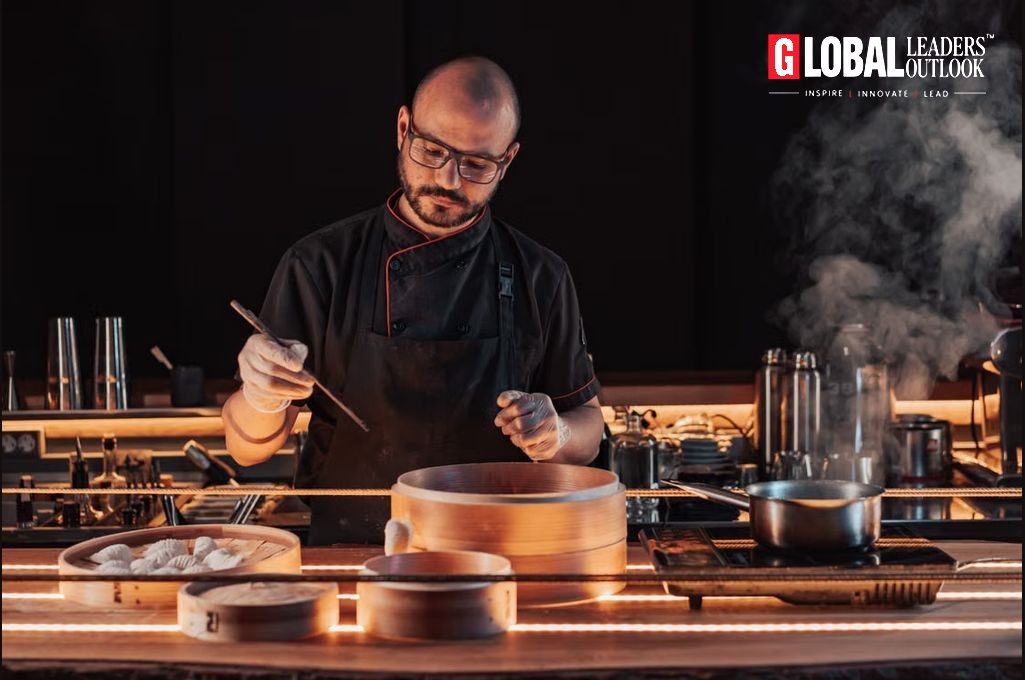
A night market is an itinerary in its own right, as dozens of stalls sit within a few walkable blocks, and many specialize in a single dish, from pork rib soup to shaved ice. Portions are small and prices low, so a visitor can sample half a dozen specialties in an evening instead of committing to one restaurant meal. There is no need to book a table or follow a strict schedule. Visitors can wander, stop wherever something catches their eye and let the evening unfold one dish at a time.
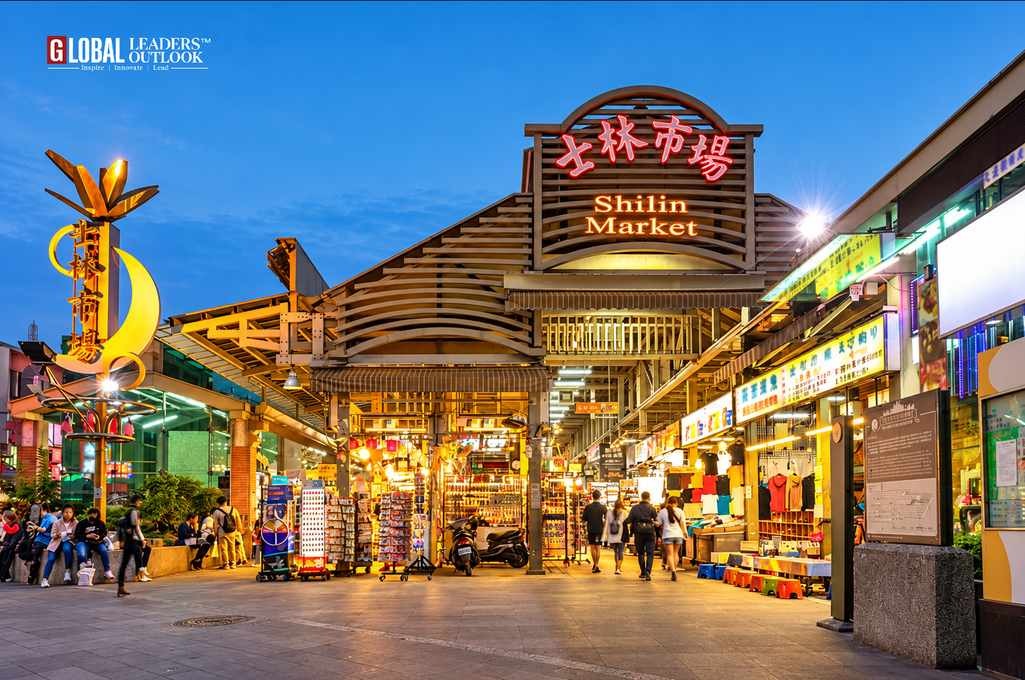
Each market has its own character. Raohe, Shilin and Ningxia, the three most visited in the Taiwan government’s 2023 survey, each offer a different mix of food and local atmosphere. That variety gives travelers a reason to explore more than one market during their stay, with each visit offering a slightly different taste of Taipei.
When appetite sets the destination
The appeal becomes easier to understand when food is seen as a reason to visit, rather than simply something to enjoy along the way. In a survey of 3,000 prospective visitors by Lion Travel’s Xinmedia unit, cuisine was the leading reason to visit Taiwan, cited by 60.7%, and night markets were the most popular experience.
For travelers who choose a destination for its food, the quality of the experience can shape the entire itinerary. Geography offers another interesting detail. Southern Taiwan has overtaken central Taiwan as the island’s second-most-visited region. This is consistent with visitors exploring beyond Taipai, although the data does not establish food as the cause for this shift.
From street corner to must-visit address
Two developments show the format can be recommended and organized without losing its character.
Michelin signaled that a stall can be a destination: ten of the 36 addresses on its first Taipei Bib Gourmand list in 2018 were night-market stalls, and the 2020 selection included 23 street-food stalls in Taipei. jfor visitors, this recognition offered another way to discover local food, while showing that a memorable meal does not have to come from a formal restaurant.
Ningxia Night Market offers another example of how a traditional market can welcome visitors while retaining its local following. About 60% of customers are local, and a Chitose Banquet gathers tastings from several vendors in one place. It gives first-time-visitors an easy introduction to the market’s food while allowing them to sample dishes from different stalls.
The itinerary starts at dusk
Borrowing the model starts with a change of anchor, instead of building the day around a landmark and fitting dinner in afterward, an itinerary could be built backward from the evening. Daytime sightseeing becomes the warm-up, followed by two or three open hours in a food district, perhaps with a tasting set at the start and nothing scheduled after. Operators would then be selling time and access rather than tickets, and the value would lie in leaving the most memorable part unscripted.
Routing is the second change as landmark itineraries hop between points on a map; a food-first one could move between neighborhoods, each defined by a specialty. One evening might belong to a district known for its soups, the next to one known for pastries. Hotels gain a new role, since walking distance to late-night food could matter more than a skyline view. Destination boards, in turn, would have a reason to market districts rather than whole cities.
The local community behind the lantern glow
The model has limits as it depends on a dense, locally anchored evening food culture that most destinations cannot manufacture, and the residents who keep stalls authentic can be crowded out if visitors grow too large. Language barriers and dietary needs also matter more when no guide is present, which is why the tasting-set format is useful for first timers.
What the night markets show is less a formula than a habit of mind: leave the best hours of the trip open, and trust that a good meal is within walking distance. Destinations with a rich evening food culture can build on that. For those without one, copying the label will not copy the experience.