Summit agenda also includes Ukraine’s winter needs, Middle East shipping security, defense readiness and the EU’s long-term budget.
European Union leaders will be meeting in Brussels on Oct. 15-16 to give the European Commission guidance on temporary measures to ease high energy prices. They will also discuss continued support for Ukraine and maritime security in the Middle East, the European Council said.
The European Council is expected to provide the European Commission with guidance on targeted measures to protect households and businesses from high energy costs. Leaders will also discuss the bloc's long-term strategy to reduce its dependence on fossil fuels.
Von der Leyen outlines refinery talks
European Commission President Ursula von der Leyen told the European Parliament on Oct. 6 that gas prices have risen 140% since the end of February and diesel prices have doubled. She said the Iran conflict has added 100 billion euros ($116 billion) to the EU’s fossil fuel import costs.
Von der Leyen ruled out broad-based payments to households and said support should go to those most in need.
She also announced a strategic dialogue on European refineries, to be chaired by Energy Commissioner Dan Jørgensen and Defense Commissioner Andrius Kubilius. The dialogue is meant to reduce costs and secure supplies, including for defense needs.
The Commission will also establish a working group to coordinate energy demand and support joint purchasing, von der Leyen said.
Costa seeks Ukraine briefing before winter
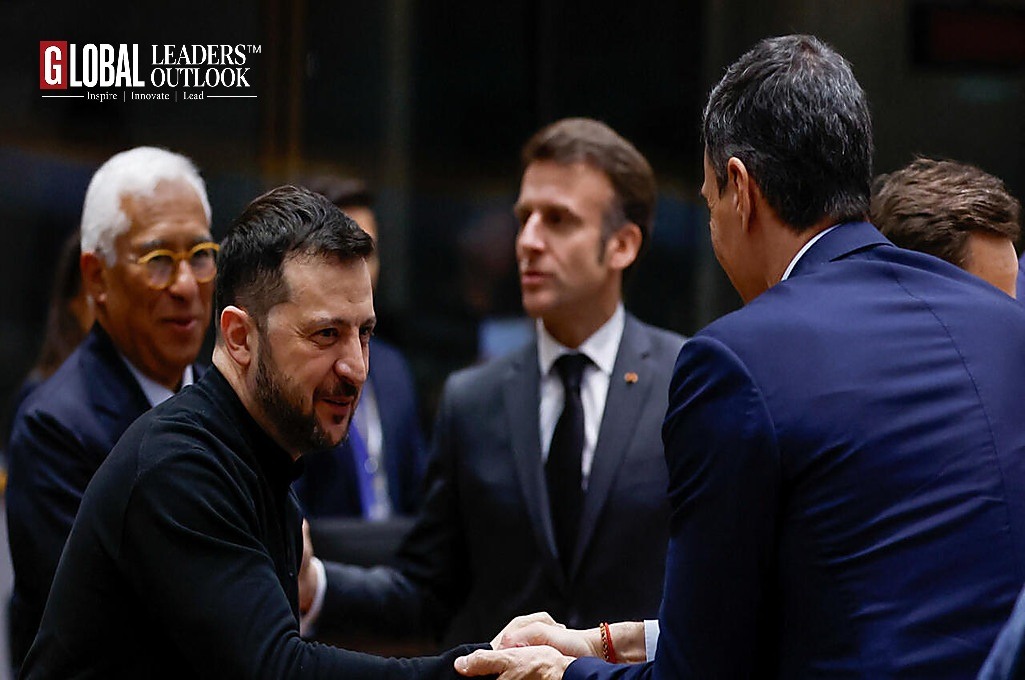
Costa said Russia's attacks on critical infrastructure are escalating. He said it will be important to hear from Ukrainian President Volodymyr Zelenskyy on the country's operational needs ahead of winter.
Leaders will reaffirm support for Ukraine and take stock of its progress toward EU membership, Costa said.
The Council opened two additional negotiating clusters with Ukraine on Oct. 13 in Luxembourg, covering the internal market and competitiveness and inclusive growth. The two clusters together comprise 17 chapters.
Four of the six clusters are now open. The first, on fundamentals, opened June 15, and the external relations cluster opened July 14.
Thomas Byrne, Ireland's minister for European affairs, said Ukraine has kept pursuing reforms despite extremely difficult circumstances.
Leaders revisit Middle East shipping security
Leaders will take stock of Middle East developments, including their effect on freedom of navigation and maritime security, Costa said. He described both as essential to global supply chains for energy, fertilizers and food.
In June, the European Council welcomed a memorandum of understanding between the United States and Iran. It called for full restoration of freedom of navigation and safe transit through the Strait of Hormuz.
The Council also called for reinforcing EUNAVFOR Aspides, the EU's maritime defensive operation, within its mandate.
EU budget, defense and enlargement join the agenda
Leaders will also discuss the EU's 2028-2034 budget. Costa said talks should consolidate the key elements needed for a final agreement by the end of 2026.
They will review Russia's hybrid attacks across Europe and progress on defense readiness, including critical military capability gaps. Costa said the enlargement debate will highlight work on an accession treaty with Montenegro, to conclude negotiations by the end of 2026.
The Council had not published conclusions from the meeting at the time of writing. The next European Council meeting is scheduled for Dec. 17-18.