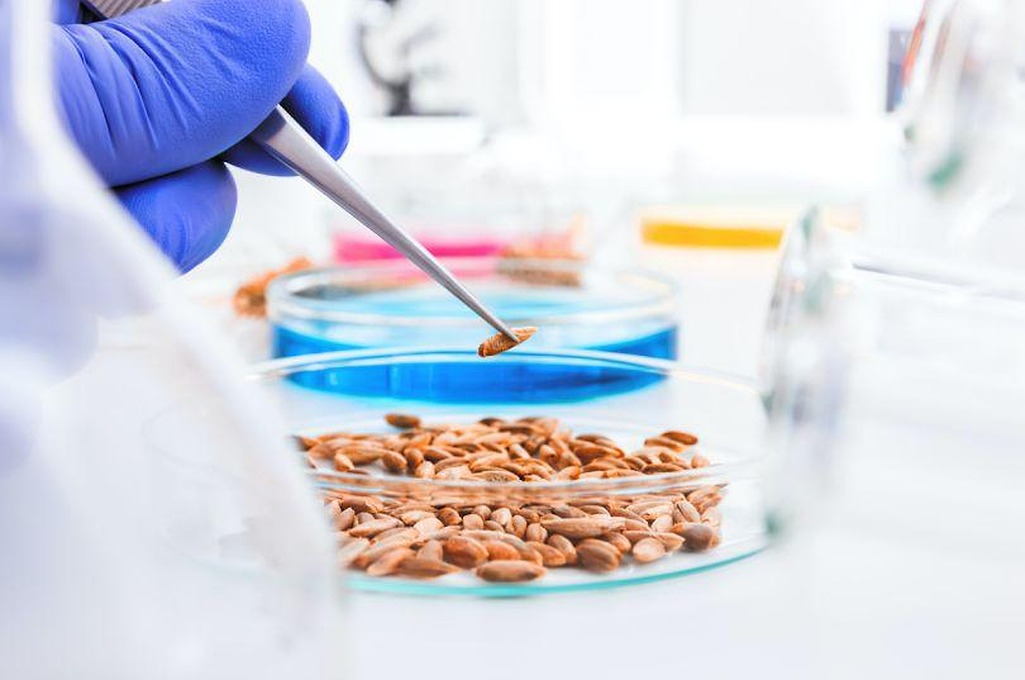
ISF cites inconsistent national rules as it renews calls for one science-based standard.
The International Seed Federation, which represents more than 15,000 entrepreneurs, cooperatives, SMEs and seed companies active in more than 100 countries, has renewed its call for a single, science-based regulatory approach to gene-edited crops. The federation says differing national approaches can complicate seed trade and investment in plant breeding innovation
EU adopts new rules for gene-edited crops
The European Parliament gave final approval in June 2026 to the European Union’s regulation on plants obtained through certain new genomic techniques (NGTs) and their products. The regulation was signed on June 17, published in the EU’s Official Journal on June 26 and entered into force on July 16. Its main provisions will apply from July 17, 2028.
The regulation establishes two categories of NGT plants with different regulatory requirements. Category 1 covers plants with a limited number and type of genetic changes that could have occurred through conventional breeding, while Category 2 plants remain subject to more extensive requirements.
Michael Keller, ISF secretary-general, described the EU’s adoption as “a positive signal for innovation and progress.” He said Europe now joins countries and territories that have given the green light to plant-breeding innovation and that ISF expects Europe to contribute to efforts to strengthen global agriculture.
Patchwork of rules cited as barrier to investment
The EU decision comes as the seed industry continues to push for greater consistency in how gene-edited crops are regulated across markets.
Keller has described the global regulatory environment as a "patchwork" of conflicting national regulations that can affect the movement of seeds and investment in new breeding technologies ISF has argued that gene-edited plants containing changes that could also arise through conventional breeding should not necessarily be regulated in the same way as conventional genetically modified organisms.
At the ISF World Seed Congress in Lisbon in May 2026, the federation also highlighted international regulatory coherence and science-based approaches to gene editing as priorities for the seed sector.
Lorena Basso was elected ISF president at the congress, becoming the first woman to hold the position in the federation’s 102-year history.
Federation seeks equal treatment for gene-edited crops
ISF has said gene-edited crop varieties without foreign DNA should be regulated the same way as conventionally bred crops, rather than under rules written for genetically modified organisms. Keller has said the federation wants gene editing to be accepted as another plant-breeding tool, with regulatory systems that are predictable and based on scientific assessment.
The federation has also called for regulatory approaches that can reduce duplication when seed varieties move across borders. However, ISF has not set out a single detailed global regulatory model that governments would be expected to adopt.
That distinction is important because national systems differ in how they define and assess genome-edited plants. The EU’s new regulation itself does not create a global framework; it establishes rules for the EU market.
UK trials test gene-edited crops on farms
The United Kingdom is taking a separate approach. England's Precision Breeding Act provides a legal framework for precision-bred organisms, including gene-edited crops, and allows field trials under the applicable rules.
Tom Allen-Stevens, founder of the British On-Farm Innovation Network, said farmers are increasingly involved in running the trials themselves rather than serving only as end users.
Rebecca Sudworth, director of policy at the UK Food Standards Agency, said on the same panel that overregulation could slow innovation even as safety remains a priority. She said the agency does not require labeling for gene-edited products but encourages the food industry to communicate their benefits.
Companies cite consumer-focused gene-edited crops
The commercial case for gene editing is also being shaped around specific crop traits.
Tom Adams, CEO of Pairwise, said the company has used CRISPR technology to develop a leafy green mustard with an off-flavor removed, making it edible raw, according to ISF's account of the panel.
He said Pairwise has also developed seedless blackberries designed to grow more densely and increase yields for farmers. Adams said the company avoids technical jargon on labels but aims to communicate clearly about the benefits of its genetic improvements, according to ISF.
No single body oversees gene-editing policy
ISF said in 2021 that no international body oversaw policy for genome-edited crops, unlike organizations that cover plant variety protection and seed testing. The federation published a separate document, "A Call for Policy Actions to Foster Plant Breeding Innovation," in 2024, outlining its position on regulatory harmonization.
What remains unresolved
The EU regulation represents a significant change within the bloc, but it does not resolve the broader differences in national approaches to gene-edited crops. The regulation will begin applying to NGT plants and related products in July 2028, while several provisions take effect earlier.
ISF has called for greater international alignment but has not specified a single set of rules that all countries should adopt, nor has it indicated when such a framework could be established.
.jpeg)