The Chinese automaker is exploring deals for its chips, electronics architecture, cockpit systems and driver-assistance software
Xpeng plans to license its electric-vehicle and artificial-intelligence systems beyond Volkswagen to foreign automakers, Reuters reported Thursday, citing two people familiar with the matter. The Guangzhou-based company has held talks with potential partners that have expressed interest, although no new agreements or commercial terms have been disclosed. Xpeng shares rose about 3% following the report.
What Xpeng is offering, and to whom
Xpeng intends to license its electrical and electronic architecture, smart cockpit systems, Turing AI chips and advanced driver-assistance software, according to the source. The potential customer base could extend beyond automakers to foreign software developers and automotive suppliers, according to source. Neither the identities of prospective partners nor any commercial terms have been disclosed.
The Reuters report says Xpeng aims to broaden licensing/customization into robotaxis, humanoid robots and related technology. The strategy could also extend into what Xpeng calls physical AI applications, including robotaxis and humanoid robots. Separately, the company is pursuing deployment of its own robotaxi fleet. The company's humanoid robot, IRON, also moved into production-line operations in Guangzhou earlier this month, as the company expands its Physical AI efforts beyond passenger vehicles.
Build on the Volkswagen partnership
The strategy extends a relationship Xpeng has had with Volkswagen since July 2023, when the German automaker invested about $700 million or a roughly 4.99% stake in the company. That alliance covers EV platforms, software and electrical and electronic architecture, and centers on Volkswagen’s “in China for China” approach to developing vehicles for the domestic market. The jointly developed ID.UNYX 08 incorporates technology from the Xpeng partnership and entered series production in March before its April launch in China. . Xpeng has also identified Volkswagen as the first customer for its VLA 2.0 intelligent-driving system.
The financial case for diversifying
Xpeng’s services and other revenue rose 65.6% year over year in 2025 to RMB8.34 billion. Its services-and-other margin was 68.2%, compared with a 12.8% vehicle margin, according to company figures. The margin gap highlights the financial appeal of expanding technology services alongside vehicle sales.
Bernstein analyst Eunice Lee estimated that RMB1.2 billion of Xpeng’s second-quarter services revenue, or 44.4% of that segment’s total, came from Volkswagen alone, a concentration that underscores the company’s reliance on a single partner and its incentive to sign additional deals.
Groundwork laid over the past year
Xpeng formed a strategic commercialization team earlier this year to explore new technology partnerships, drawing on experience gained through the Volkswagen alliance, the sources said. The company had signaled this ambition earlier: in June 2025, it said it expected automakers beyond Volkswagen to adopt its Turing chips.
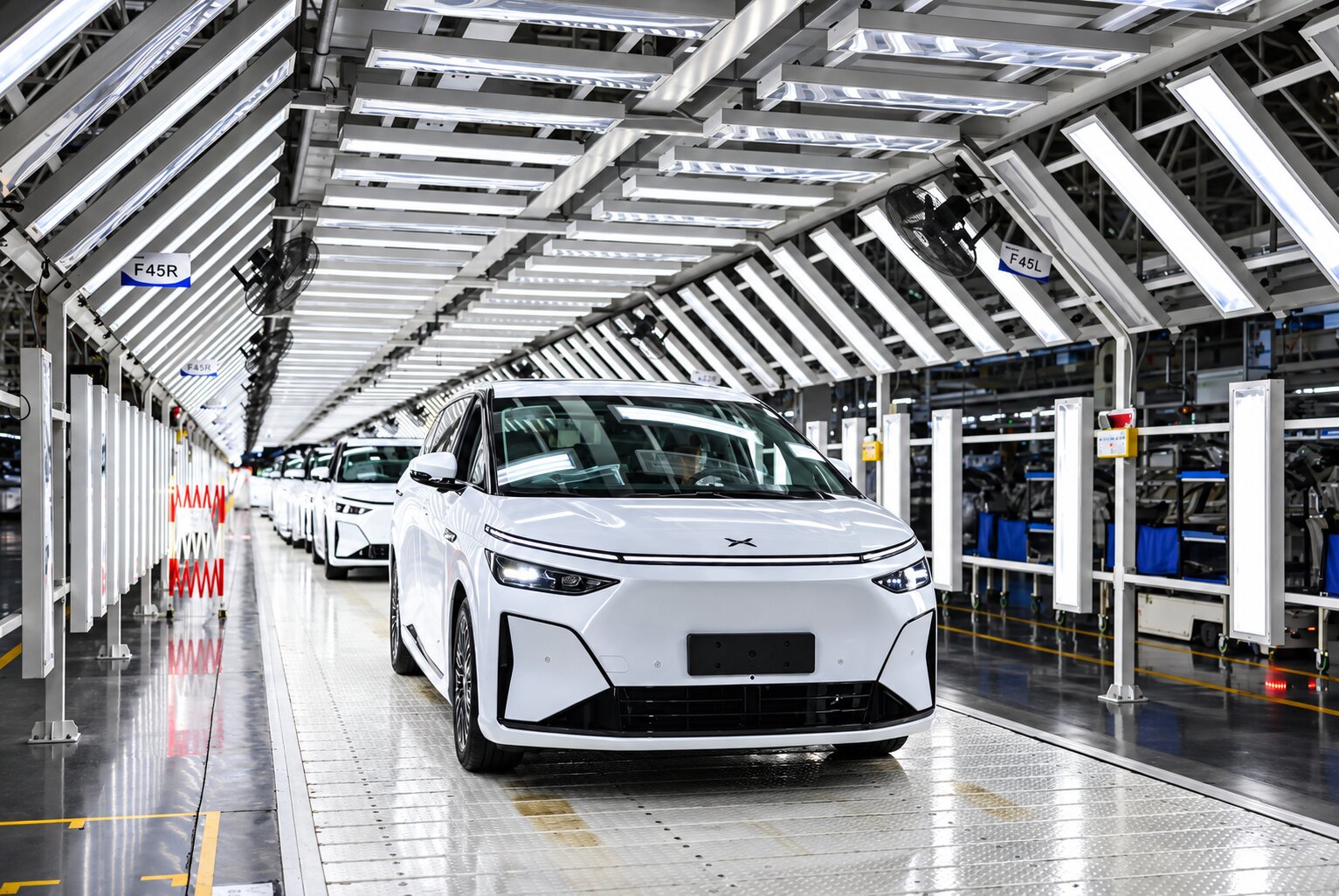
Separately, Xpeng said Thursday that its G9L SUV will be launched in 64 global markets, with a debut set for Oct. 12 at the Paris Motor Show. The model will be produced in Guangzhou and at Magna's plant in Graz, Austria.
.jpeg)