Regulators are scrutinizing valuations, revenue from state-backed projects and evidence of sustainable commercial demand.
Chinese regulators are putting the break on a rush of humanoid-robot companies seeking stock-market listings, people familiar with the matter said Sept. 21. Regulators are scrutinizing whether soaring valuations and revenue tied to state-backed projects reflect commercial demand.
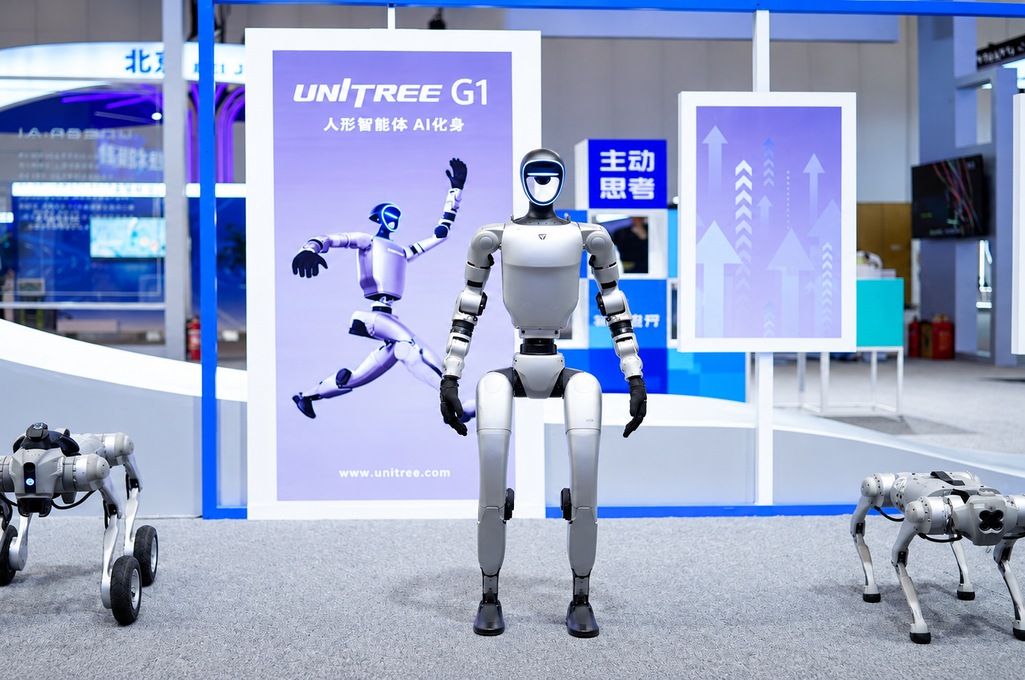
The slowdown was mainly triggered by the volatile start of shares in Unitree Robotics, a maker of humanoid and quadruped robots. Its stock rose more than fivefold in its Shanghai debut in August and has since fallen 55% from its peak.
One of the people said humanoid-robot IPOs had effectively been frozen for now. Another said there was no formal ban and described the move as a sector-specific slowdown. The sources requested anonymity because of the sensitivity of the matter.
As per Reuters, the information first reported that the CSRC had recently given informal guidance to some investment banks and investment firms to raise the approval bar for humanoid-robot IPOs.
At least six Chinese humanoid-robot companies are preparing to go public, including Deep Robotics, X Square Robot and AGIBOT.
Revenue Streams Under Scrutiny
Regulators are particularly focusing on whether revenue generated by robotics companies through local-government-backed projects can be sustained, according to a person close to humanoid-robot investors.
The person said some companies had generated significant revenue through robot data-collection centers, where robots are trained. Some companies also generated revenue through joint ventures backed by local governments.
Local governments could provide 80% to 90% of the initial investment in some of those joint ventures, the person said.
Such projects can provide orders that support private-market valuations and help companies meet listing thresholds. Regulators are questioning whether that activity represents demand from independent customers rather than demand generated through government-backed arrangements.
The person estimated that valuations at some robot companies could fall 60% to 70% if revenue associated with data-collection centers were stripped away. The estimate was not attributed to a regulator or company filing.
Questions over revenue quality are also being accompanied by scrutiny of what customers are actually buying. Mech-Mind Robotics CEO Shao Tianlan alleged in a WeChat post this month that some highly valued embodied-AI firms were generating revenue through data-collection centers, related-party deals and other arrangements as they prepared for IPOs. Shao declined to comment beyond the post.
Shares in Mech-Mind have fallen nearly 20% from their debut-day high on Sept. 1, according to Reuters.
Sector Context and Investor Response
Beijing has promoted “embodied intelligence,” referring to AI systems capable of perceiving and acting in the physical world, as a strategic emerging industry. The policy has helped fuel investment from private capital and local governments.
Leo Wang, a venture capitalist at Qianchuang Capital, said investment in the robotics sector had accelerated as industrial-robot makers moved toward humanoid robots and startups saw valuations rise. He said some private-market projects had already seen valuation cuts of 30% to 50%.
The tighter regulatory stance does not represent a retreat from humanoid robotics, executives and investors told Reuters. They said it places greater emphasis on deployment, order volumes and evidence that companies can turn technical demonstrations into commercially viable products.
Ruiying Zhao, a senior research analyst at S&P Global Market Intelligence, said investors sentiment was shifting toward greater scrutiny of whether realized commercial value justified premium valuations. The caution comes as fundraising by mainland Chinese companies rebounds. They have raised $148.9 billion through share sales and convertible offerings so far in 2026, up 59% from the same period a year earlier, according to LSEG data cited by Reuters. Technology companies raised 41% of the total.
A senior banker involved in Asian equity offerings said investors were still willing to finance robotics companies but were becoming more demanding about deployment, volumes, and valuation.
.jpeg)