WASHINGTON--(BUSINESS WIRE)--Modern military families expect more than just housing — they seek connection, community, and a true sense of belonging.
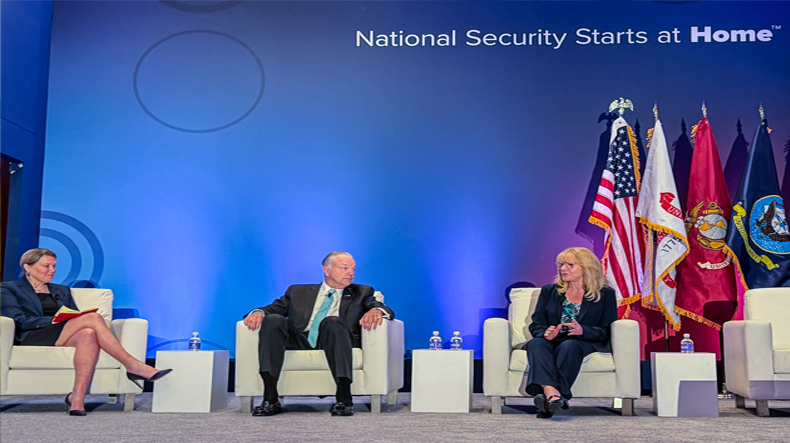
This key message was shared by Denise Hauck, President of the Department of War (DOW) Business at Corvias, during a panel at the 2026 Association of Defense Communities Summit held in Washington, D.C. The event brought together hundreds of industry leaders to explore the future of more than 700 U.S. military installations worldwide.
Participating in the panel titled “Building Great Places for Military Families to Call Home,” alongside Bill French, CEO of the Armed Services YMCA, Hauck stressed that military housing must continuously evolve to match the changing expectations of today’s service members and their families.
Hauck explained that while well-maintained housing remains essential, today’s service members also prioritize a strong sense of community.
“Families want homes that are properly maintained and provide a quality living experience,” she noted. “But today’s soldiers also value community — they want their families to feel connected and part of something larger.”
She emphasized the role of the Military Housing Privatization Initiative (MHPI), which supports long-term infrastructure investment while enabling innovation in military housing systems.
Corvias has committed substantial investments toward upgrading infrastructure and modernizing service member housing. The company has also introduced initiatives such as energy modernization and indoor environmental programs — setting new benchmarks within the military housing sector.
“MHPI enables us to invest in both current needs and future improvements,” Hauck added. “It allows us to explore how innovation can be applied in entirely new ways.”
Hauck also highlighted the importance of viewing military housing as part of a broader community ecosystem rather than an isolated system.
“We’re not operating in isolation,” she said. “With nearly 70% of residents living off-base, it’s important to recognize that military housing is deeply connected to surrounding communities.”
She pointed out that improving access to external resources and support systems can significantly enhance the overall living experience for military families.
Additionally, she stressed the importance of thoughtful design and communication, noting that creating walkable, interconnected communities can improve daily life and strengthen resident satisfaction.
Looking ahead, Hauck identified indoor environmental quality as a critical factor in supporting resilience and well-being.
Corvias’ Wellness at Home program — currently implemented across thousands of homes at Fort Meade, Fort Riley, and Fort Bragg — focuses on improving indoor conditions through advanced wellness technologies that meet strict third-party standards.
“People spend most of their time indoors,” Hauck explained. “The quality of those environments directly impacts how they perform in their daily lives.”
The company recently announced that more than 800 homes have achieved WELL Residence Certification, with plans to upgrade nearly 5,000 homes with enhanced indoor features this year.
Corvias collaborates with the Department of War and higher education institutions to address infrastructure challenges and improve energy resilience. Through its Solutions Through Partnerships® approach, the company focuses on delivering sustainable, long-term value.
Corvias supports more than 72,000 residents, with communities consistently receiving high ratings for service quality, maintenance, and resident experience.
.jpeg)